
Conservation Agriculture
What's Conservation Agriculture?
All around the world, conventional farming methods have led to significant declines in soil health, threatening our food security, environmental sustainability, and economic development. To feed our growing population, and ensure Rwanda’s food sovereignty, we must break away from conventional agriculture’s status quo.
Today, RICA is leading a new movement in conservation agriculture, a farming philosophy that focuses on building soil health and ensuring that agriculture can be productive, sustainable, and profitable over the long term. Conservation agriculture encompasses a number of interlinked farming methods that, when implemented together, can restore the soil and lead to better food and nutrition security.
Conservation Agriculture Practices
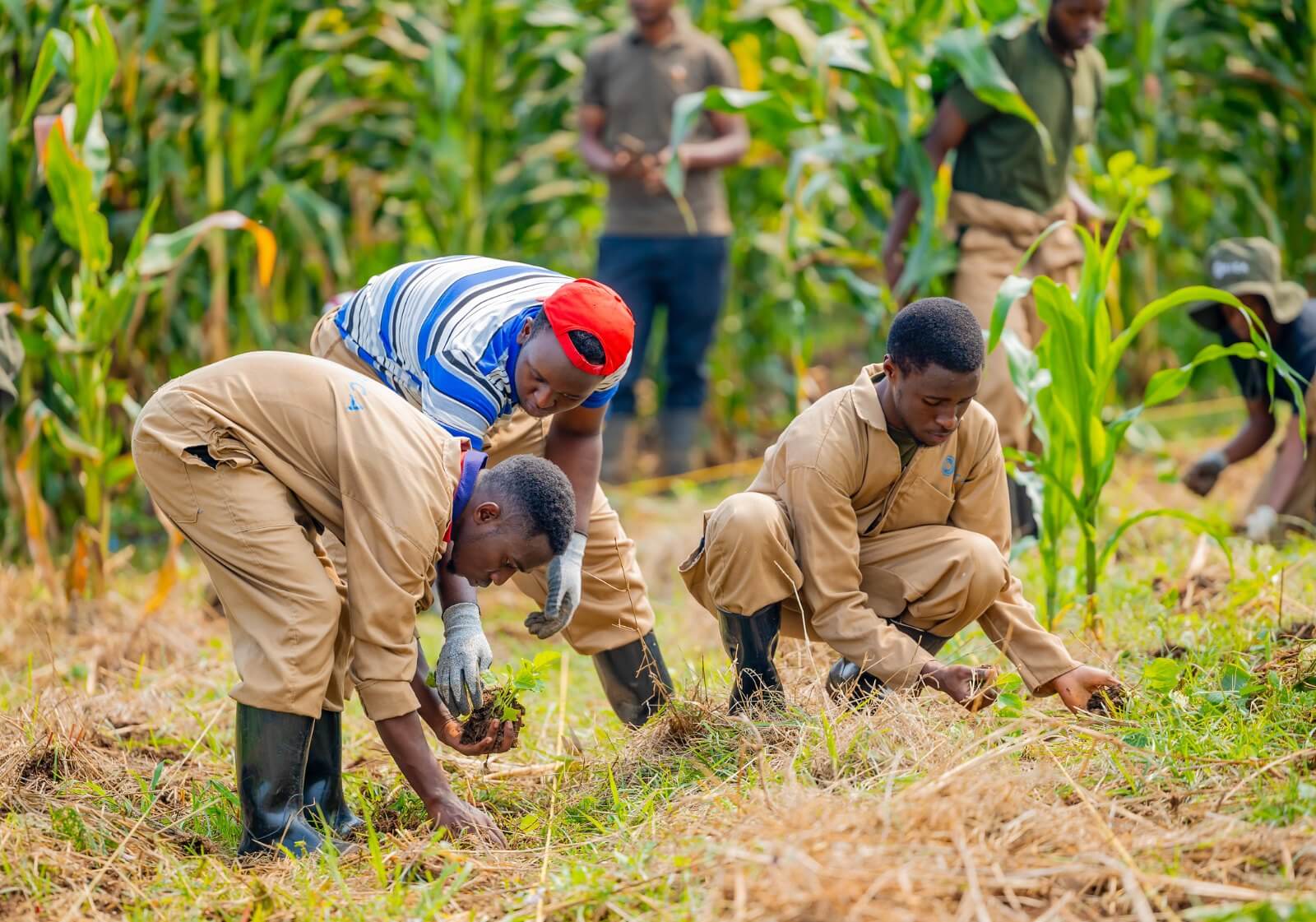
Minimum mechanical soil disturbance
Minimum soil disturbance refers to low disturbance no-tillage and direct seeding. The disturbed area must be less than 15 cm wide or less than 25% of the cropped area (whichever is lower).
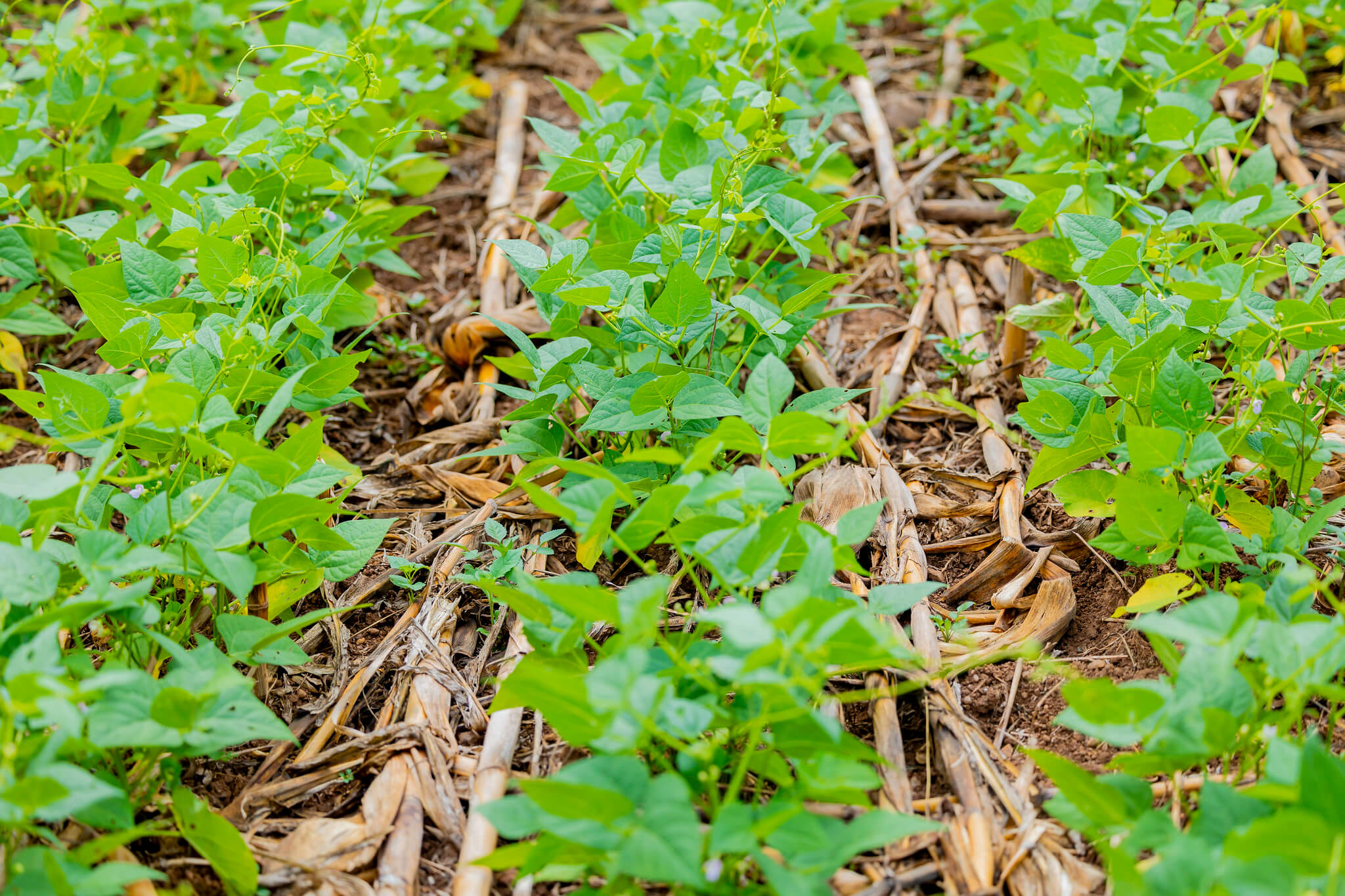
Permanent soil cover
Three categories are distinguished: 30-60%, >60-90% and >90% ground cover, measured immediately after the direct seeding operation. Area with less than 30% cover is not considered as CA.
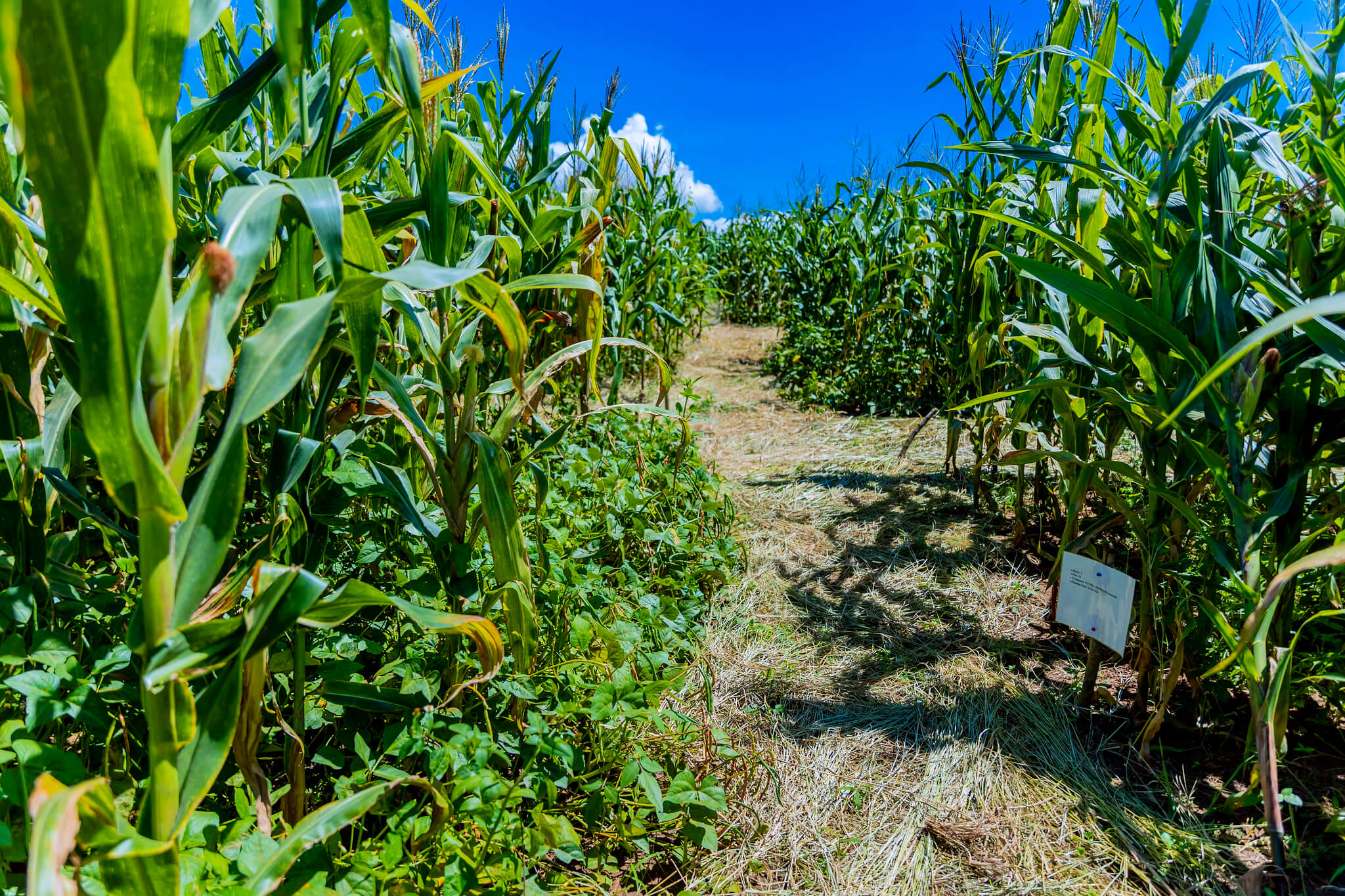
Crop diversification
Crop rotation is the practice of planting different crops sequentially on the same plot of land to improve soil health, optimize nutrients in the soil, and combat pest and weed pressure.
Why Conservation Agriculture
- Sustainability
It provides a truly sustainable production system, not only conserving but also enhancing the natural resources and increasing the variety of soil biota, fauna and flora (including wild life) in agricultural production systems without sacrificing yields on high production levels.
Enhanced biodiversity
CA depends on biological processes to work; it enhances the biodiversity in an agricultural production system on a micro- as well as macro level.
Carbon sequestration
No till fields act as a sink for CO2 and conservation farming applied on a global scale could provide a major contribution to control air pollution in general and global warming in particular. Farmers applying this practice could eventually be rewarded with carbon credits.
Labour savings
Soil tillage is among all farming operations the single most energy consuming and thus, in mechanized agriculture, air-polluting, operation. By not tilling the soil, farmers can save between 30 and 40% of time, labour and, in mechanized agriculture, fossil fuels as compared to conventional cropping
Healthier soils
Soils under CA have very high water infiltration capacities reducing surface runoff and thus soil erosion significantly. This improves the quality of surface water reducing pollution from soil erosion, and enhances groundwater resources. In many areas it has been observed after some years of CA that natural springs that had dried up many years ago, started to flow again. The potential effect of a massive adoption of CA on global water balances is not yet fully recognized.
ncreased yields
Conservation agriculture is by no means a low output agriculture and allows yields comparable with modern intensive agriculture but in a sustainable way. Yields tend to increase over the years with yield variations decreasing.
Reduced costs
For the farmer, CA is mostly attractive because it allows a reduction of the production costs, reduction of time and labour, particularly at times of peak demand such as land preparation and planting and in mechanized systems it reduces the costs of investment and maintenance of machinery in the long term.