
Conservation Agriculture Resource Netwotk
Bringing together Africa's leading voices in Conservation Agriculture
About Conservation Agriculture
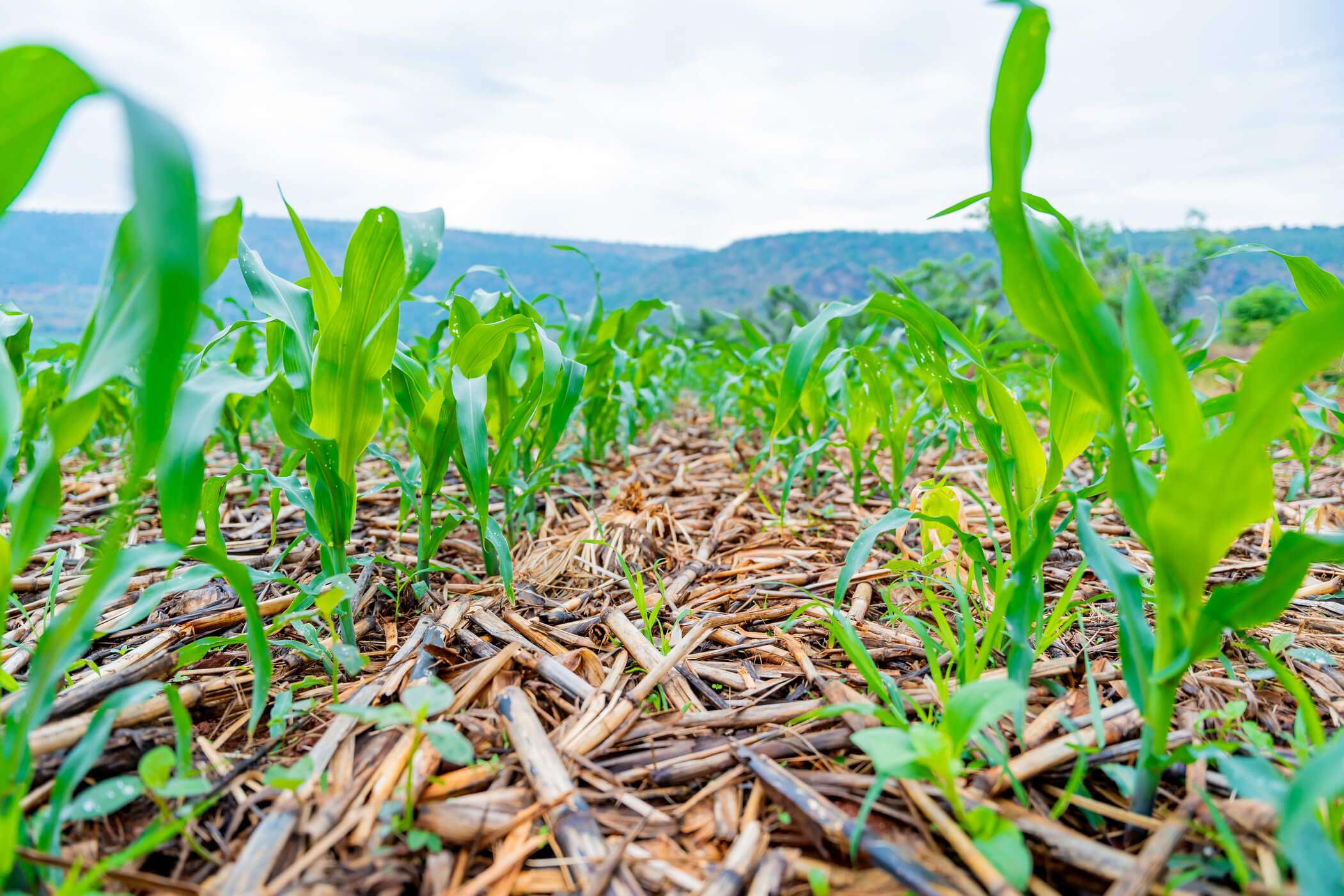
Conservation farming is a sustainable agricultural system designed to protect soil, conserve water, and enhance biodiversity. It relies on three core principles: minimizing soil disturbance (no-till), maintaining permanent soil cover with crop residues, and diversifying crop rotations.
Training Resources
Guides designed to empower farmers and extension workers covering the core principles of conservation agriculture
Farmers' Stories
Real stories from the field. Hear directly from the growers adapting to climate shifts, rebuilding their soil health, and sharing their journey toward sustainable agriculture.
Research
A curated library of field reports, peer-reviewed research, and policy briefs focused on soil health and sustainable yield optimization.
Video Library
Visual demonstrations, field tutorials, and community case studies showcasing conservation agriculture practices in action.
Hear from Farmers
Principles of Conservation Agriculture
Minimize soil disturbance
- No-tillage during land preparation for previously utilized land.
- Using herbicides to get rid of unwanted shrubs, grasses before planting and/or weeds after planting.
- Slashing or rolling the weeds before flowering so that they dry before planting the crop.
- Planting directly in the mulch for cereals and legumes.
- Planting in basins or half-moon planting for tuber crops.
- Zonal ripping to break hard pans
- Minimum soil disturbance to remove trees in opening up new land.
- Using hula hoes for weeding
Maintain soil cover
- Leaving crop residues in the harvested field to cover the soil surface to prevent soil erosion.
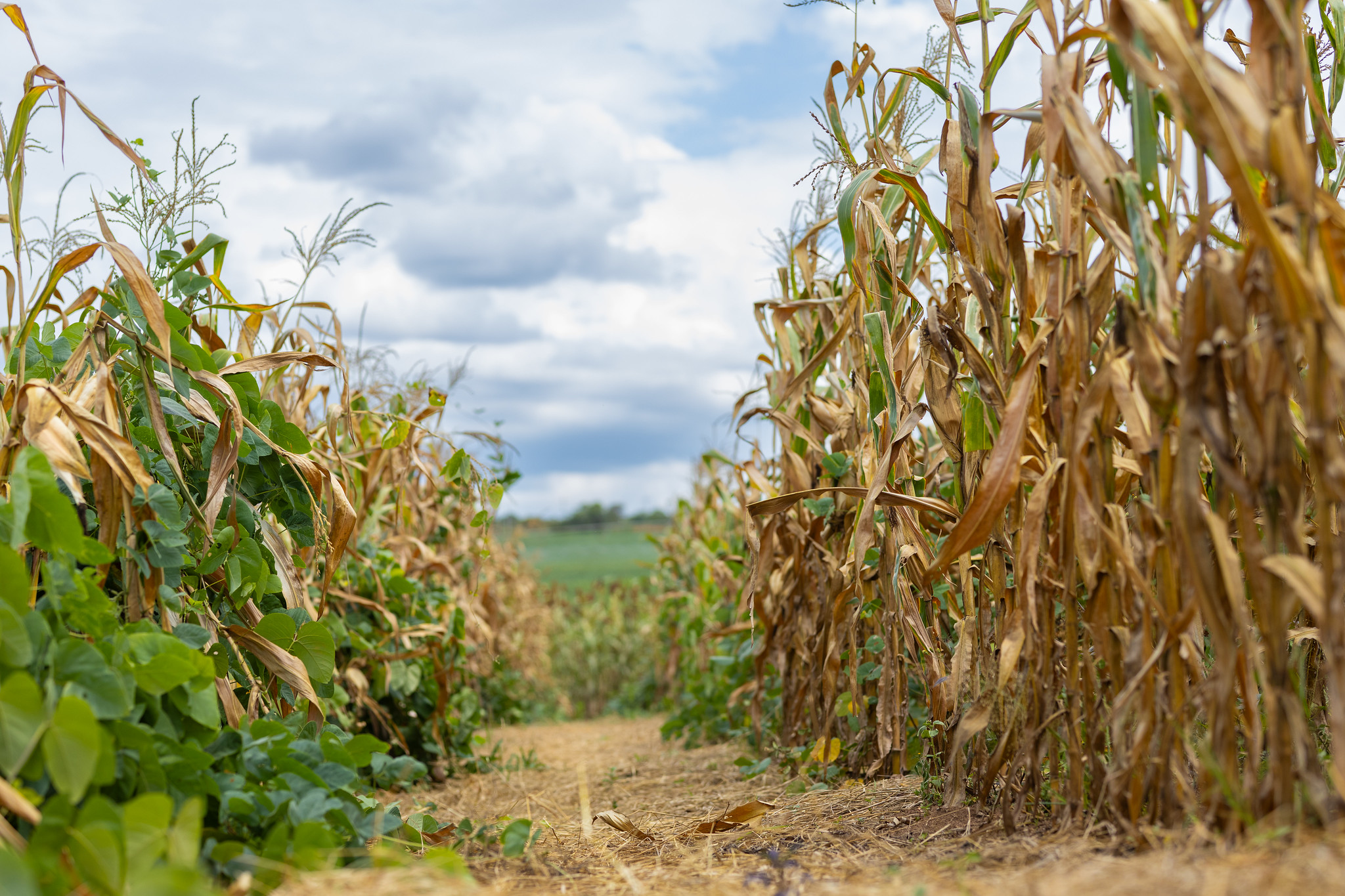
- Use living plant materials as soil cover e.g. cover crops like Mucuna, to cover the soil between crop plants during the season or between crop seasons.
- Terminate the cover crop before full maturity in preparation for planting the main crop.
- Use mulch from grasses or tree shavings if available and affordable.
Diversify cropping systems
- Practice crop rotation in which deep-rooted crops are rotated with shallow-rooted crops e.g. cereal-legumes.
- Practicing intercropping with different plant families in an orderly spatial manner e.g. perennial with annual crops
Economic application of nutrients (fertilizers, lime)
- Apply mineral fertilizers based on plant needs and soil status (if available)
- Apply farmyard manure or compost to increase soil organic matter and nutrients.
- Plant legumes as cover crop or main crop rotation for biological nitrogen fixation (BNF) and nutrient build-up.
- Apply Integrated soil fertility management through the combined use of organic (manure, compost) and inorganic (mineral) fertilizers.
- Apply lime to manage soil pH, improve soil structure, increase release of nitrogen, and increase earthworm activity.
Efficient usage of pesticides, fungicides, and herbicides
- Prioritize Integrated Pest Management (IPM) technologies where available to control pests and diseases.
- Apply pesticides and fungicides judiciously only when pests appear to cause economic damage.
- Avoiding repeated growing of crops of same family in same field to break pest cycle between subsequent crops and prevent disease buildup.
- Use pest and disease resistant or tolerant varieties as much as possible.
Efficient water use in irrigation for profit maximization
- Use irrigation efficient methods, proper irrigation scheduling following crop water-use needs.
- Maintain cover through mulch, cover crops to reduce evaporation and conserve moisture.
- Dry farming -utilizing moisture stored in the soil from previous season other than irrigation.
- Plant drought-tolerant crops varieties especially in dry or short seasons.
Integrate cropping and livestock systems.
- Mixed farming: combine both crops and livestock on the same farm, but in distinct areas.
- Silvopastoral systems: combine trees or agroforestry components with livestock grazing. Silvopastoral systems promote carbon sequestration, mitigate climate change impacts, and improve the overall ecological resilience of the farming landscape.
- Agro-pastoral systems integrate crop production and livestock grazing in the same area. Livestock, such as cattle, sheep, or goats, are allowed to graze on fallow or harvested crop fields, consuming crop residues and weeds while putting manure on the soil.
Manage crop and livestock systems to minimize environmental impacts and increase biodiversity.
- Handling and composting of food and animal wastes (from dairy, poultry, swine, and food processing) to prevent pollution.
- Utilize composted waste on farms as manure.
- Utilize food remains and waste such as bones, eggshells as inputs for feeding livestock e.g. swine.
- Use organic inputs in the form of manure, composts, plant residues, to build organic matter which provide food for soil organisms. This help build soil life hence increased biodiversity.
Farmer Stories
Conservation Agriculture in Africa
Rwanda Institute for Conservation Agriculture
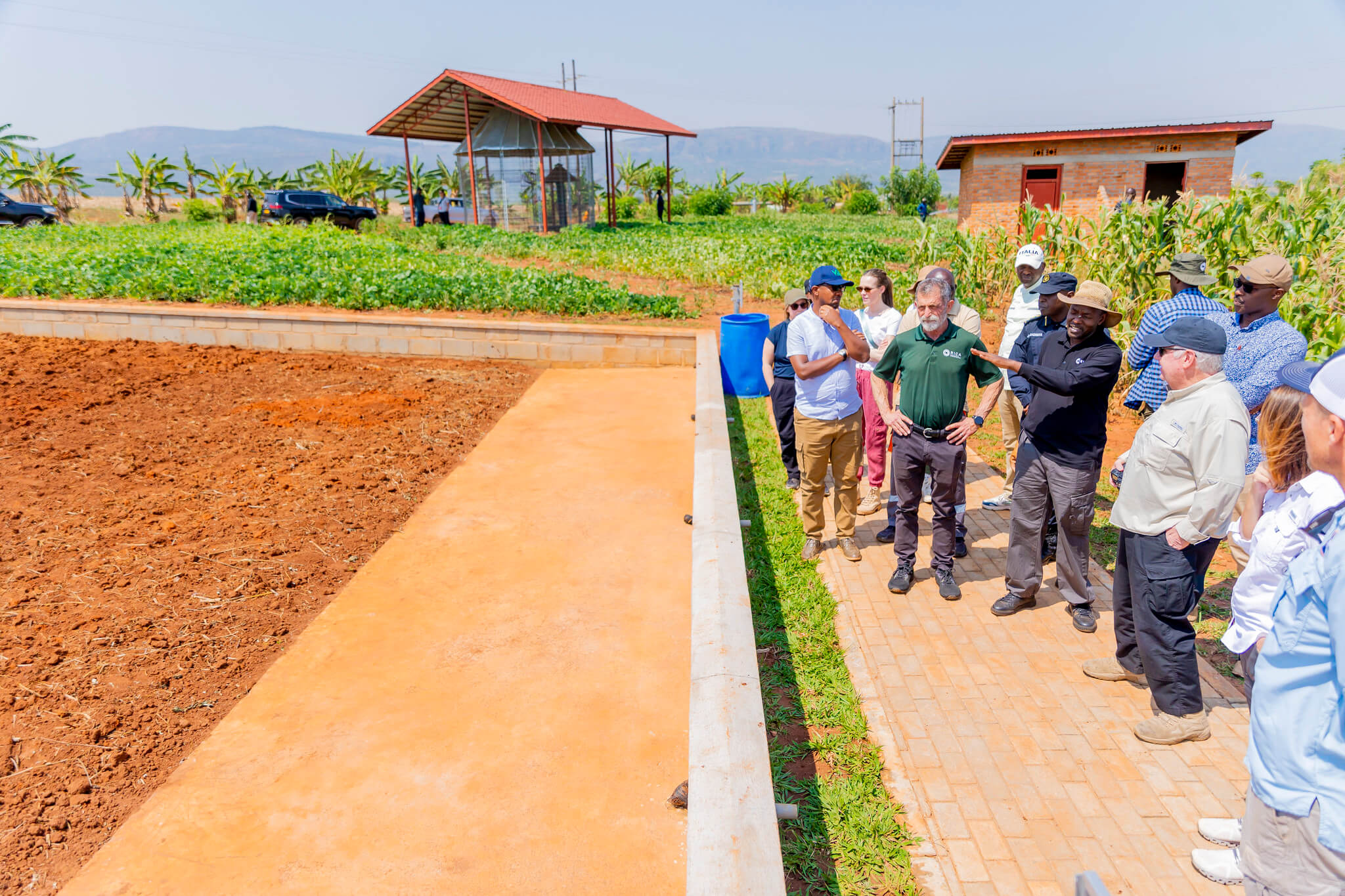
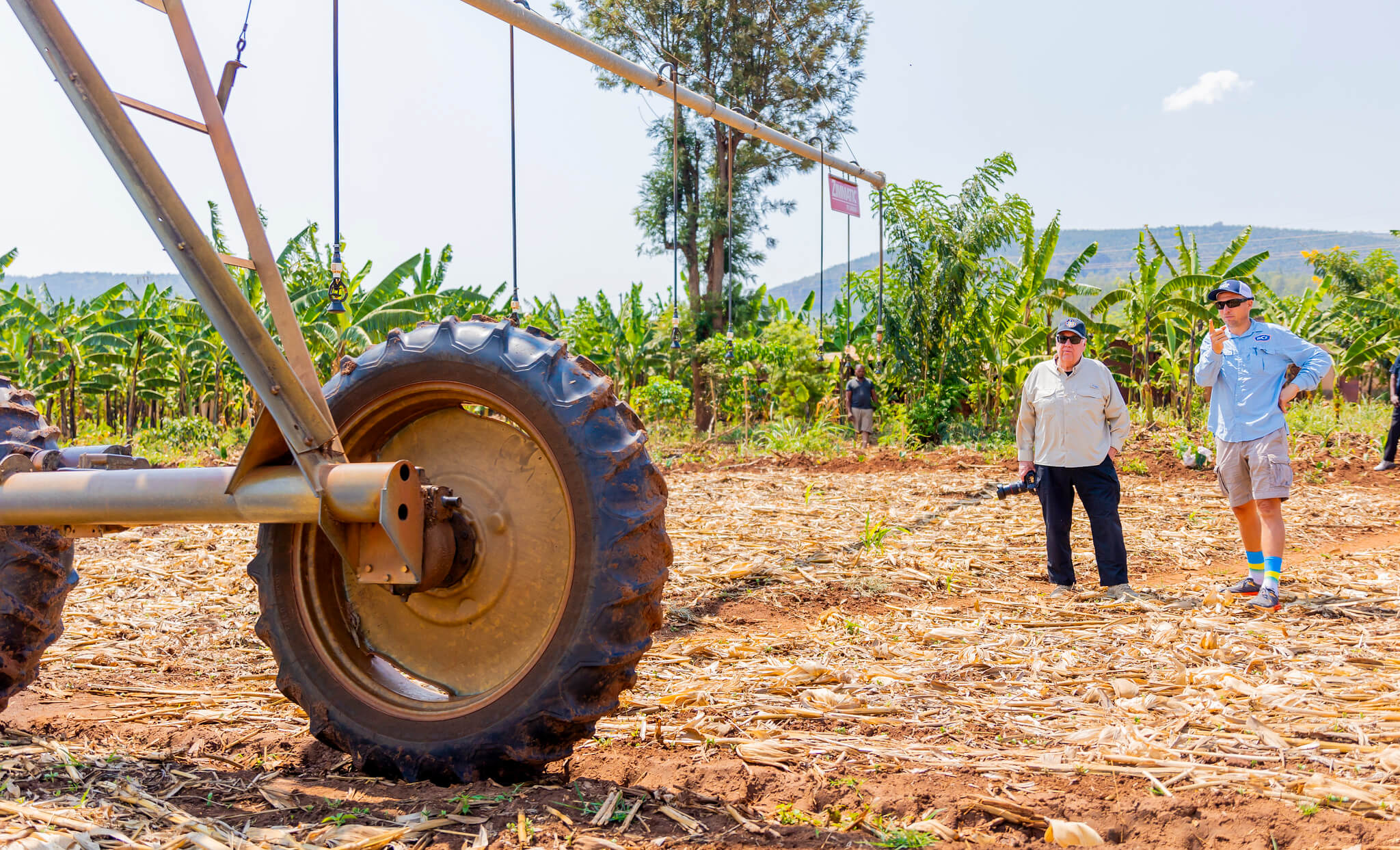
Nasho Irrigation Cooperative - RICA
Centre for No-Till Agriculture
Partners