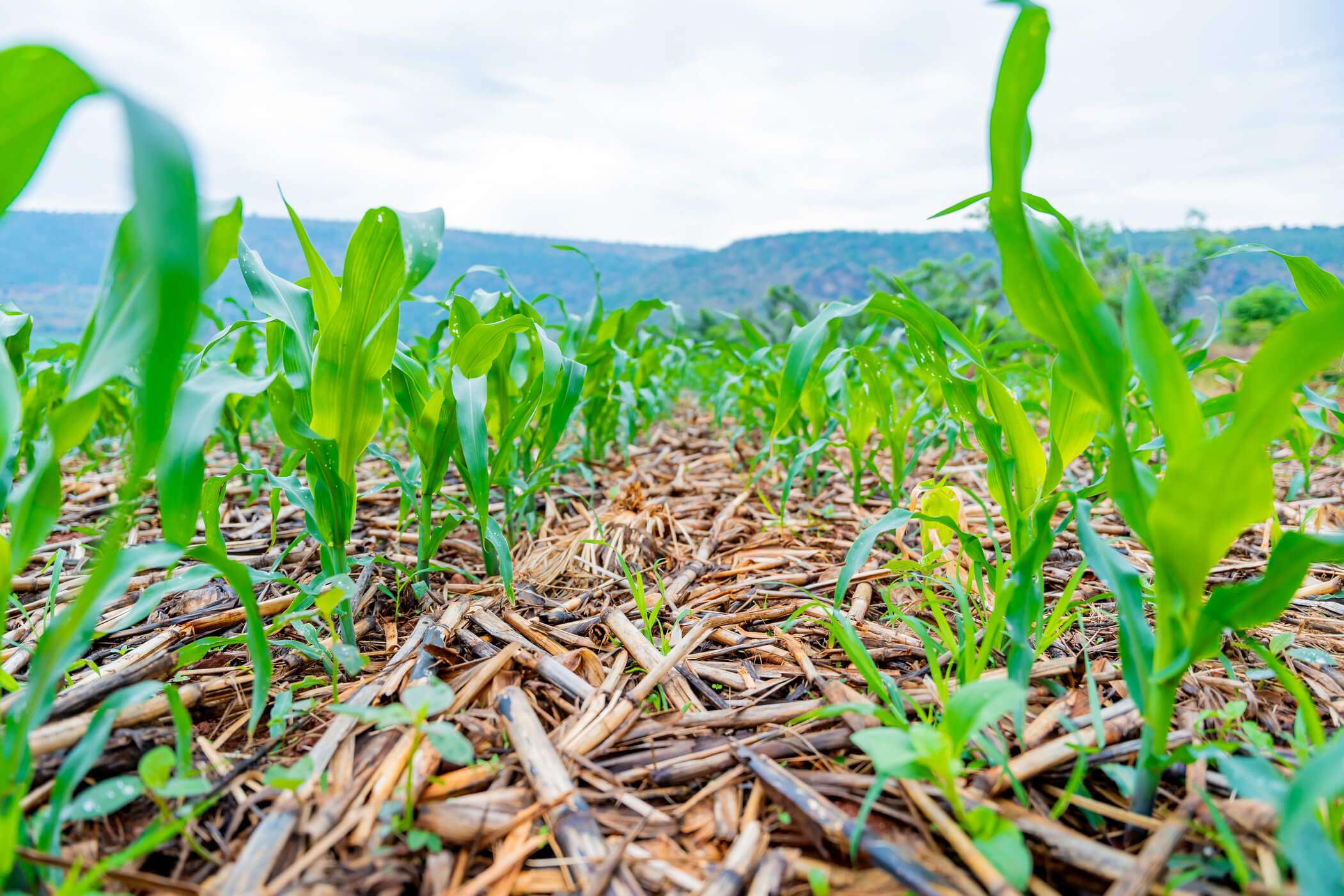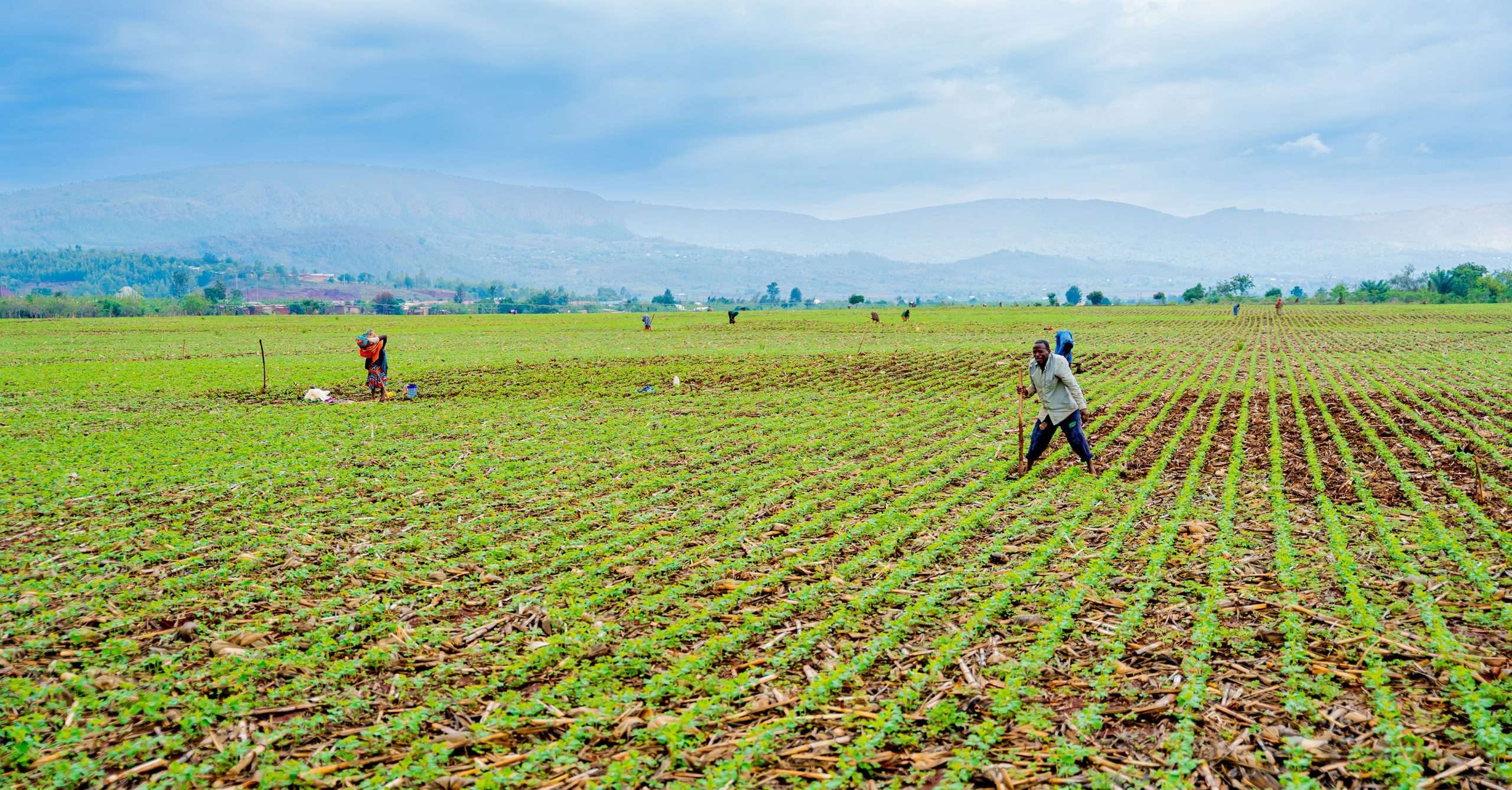
As farmers seek ways to improve their soil health and crop yields while reducing input costs, crop rotation is a great solution. But what exactly makes this conservation agriculture practice so effective?
Crop rotation involves growing crops of different species or types sequentially on the same piece of land, rather than planting the same crop species year after year. This creates a natural cycle that enhances soil health and promotes sustainable production.
To implement effective crop rotation, farmers should plan their crop rotation schedule taking into account factors such as crop species, soil type, climate, and market demand. Key principles in crop rotation are that deep-rooted crops should be followed by shallow-rooted crops; high biomass-producing crops should be followed by low-biomass crops; and nutrients replenishers should be followed by nutrient scavengers.
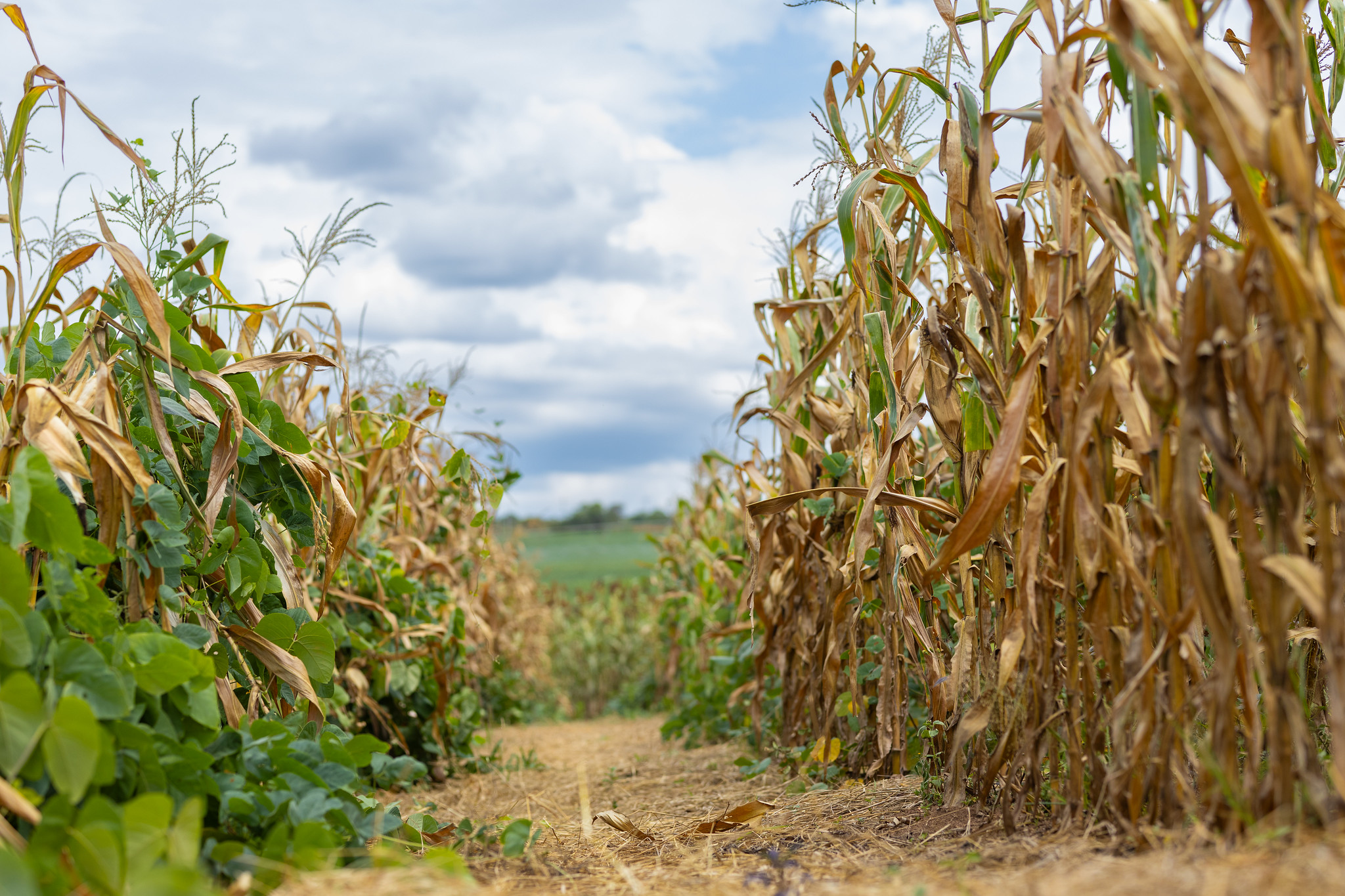
Importantly, farmers should consider including diverse crop families; for example, rotating between legumes, cereals, and root crops to maximize benefits. Successive crops should belong to a different family from the previous one.
Why Crop Rotation Is Beneficial
There are many advantages of practicing crop rotation. Benefits to farmers include:
- Improved soil structure and reduced erosion: Deep-rooted crops, like legumes, break up compacted soil and improve drainage, while shallow-rooted crops, like cereals, bind soil particles together, preventing erosion. This creates a healthy soil structure with numerous tiny channels that allow air and water to penetrate more easily.
- Increased soil fertility: Legumes, such as beans and peas, have the unique ability to “fix” atmospheric nitrogen, enriching the soil with this essential plant nutrient. Furthermore, deep-rooted crops bring nutrients from deeper soil layers to the surface, making them available for subsequent crops. This helps to reduce nutrient leaching and improves overall soil fertility.
- Pest and disease control: Planting different crops each year disrupts the life cycles of many pests and diseases that are specific to certain plant species. This natural pest control minimizes the need for chemical pesticides.
- Enhanced crop productivity: By diversifying their crops, farmers reduce the risk of total crop failure due to pests, diseases, or adverse weather conditions. Farmers may also increase their incomes by producing a variety of crops for sale or consumption.
By adopting crop rotation, farmers can build their soil’s long-term health and quality, reduce erosion, and enhance crop growth and yields, also while reducing the need for external inputs. This practice is a key principle of conservation agriculture that can help build resilient and productive farming systems in Rwanda.