Rwanda’s agriculture is vital. It employs over 56% of the workforce and sustains rural communities. However, this critical sector faces immense pressure. Challenges include small and fragmented landholdings, declining soil fertility, and severe erosion on steep slopes. Consequently, many farmers struggle daily. They must produce enough food while simultaneously protecting their land for future generations.
Across the nation, climate change impacts are evident. Heavy rains cause fertile topsoil to erode in highlands. Meanwhile, prolonged dry seasons drastically reduce yields in arid areas, leading to increased crop failure. Furthermore, traditional practices worsen the issue. Continuous ploughing, limited crop rotation, and crop residue removal deplete soils. This leaves them compacted and low in organic matter. Ultimately, these challenges threaten national food security. Farmer incomes are also at risk, especially for smallholders reliant on their land.
Images taken in Gakenke District starkly reveals the environmental cost of conventional tillage, where bare, disturbed soil is left defenceless against erosion, as evidenced by the sloughing hillside and washed-out field. Such practices compact the soil, severely hindering water infiltration and aggressively depleting the soil of its vital organic matter and nutrients.
Toward a smarter way of farming
Acknowledging these pressing issues, Rwanda has adopted Conservation Agriculture (CA). This represents a long-term, sustainable farming solution. CA is not a novel idea. Extensive research consistently proves its benefits. It’s a smarter farming method that significantly improves soil health, rather than degrading it.
The Government of Rwanda swiftly recognized this need. Therefore, to transform its agricultural system, it partnered with the Howard G. Buffett Foundation. This collaboration established the Rwanda Institute for Conservation Agriculture (RICA). RICA stands as a premier institution. Its mandate is clear: to be the hub for CA. RICA leads the promotion and adoption of CA across Rwanda and the broader region.
The importance of CA is also enshrined in policy. The Strategic Plan for Agriculture Transformation Phase 5 (PSTA 5), developed by MINAGRI in 2025, identifies CA as crucial. It is key for building climate-resilient and sustainable food systems.
At RICA, Conservation Agriculture is promoted under eight simple principles:
- Minimize soil disturbance.
- Maintain permanent soil cover.
- Diversify cropping systems.
- Optimal application of nutrients (e.g., fertilizers, lime).
- Judicious use of pesticides, fungicides, and herbicides.
- Efficient water use in irrigation for maximum profitability.
- Integrate cropping and livestock systems.
- Manage systems to protect the environment and increase biodiversity.
Furthermore, these principles are complemented by overarching best agricultural practices. Collectively, they empower farmers. They help protect their soils, conserve moisture, and improve long-term productivity.
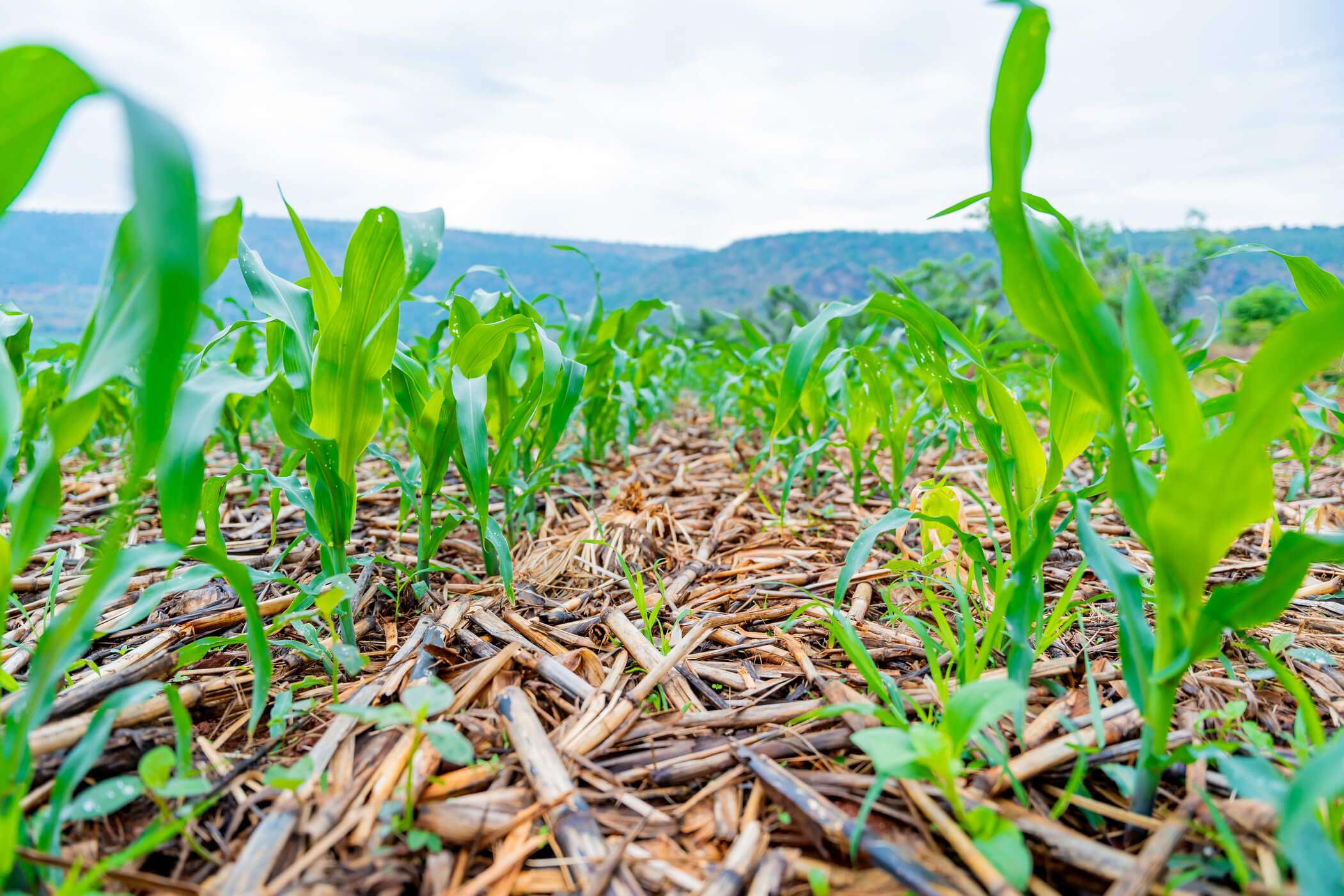
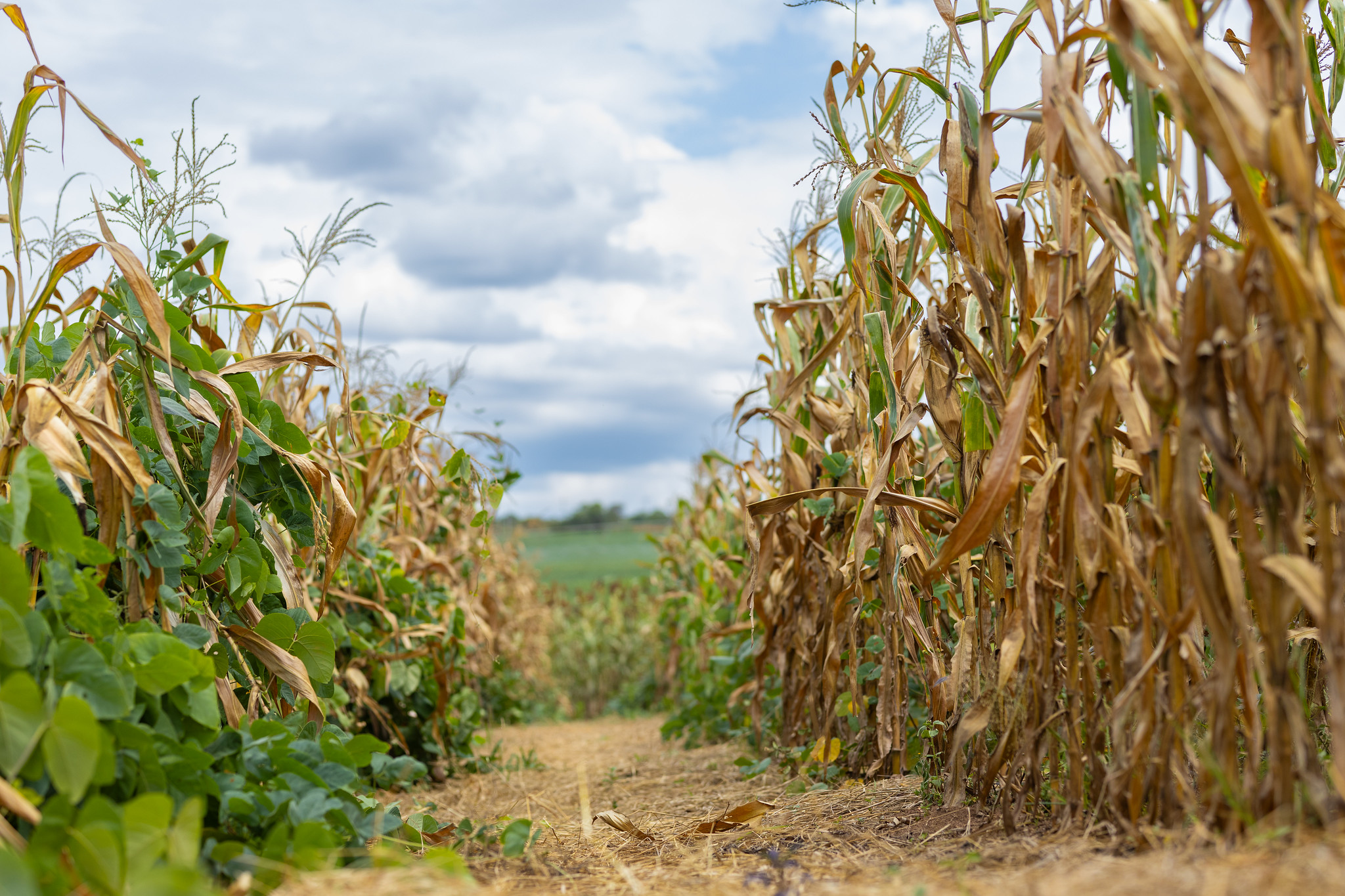
Conservation Agriculture (CA) demonstration plots at RICA show a stark contrast between the crops in Plot No. 1 (far left, under full CA practices) and those in Plot No. 5 (far right, entirely under conventional tillage). We can clearly observe that in Plot No. 5, seed germination is affected, and soil nutrients are depleted due to runoff.
Proof from the field: RICA’s Impact
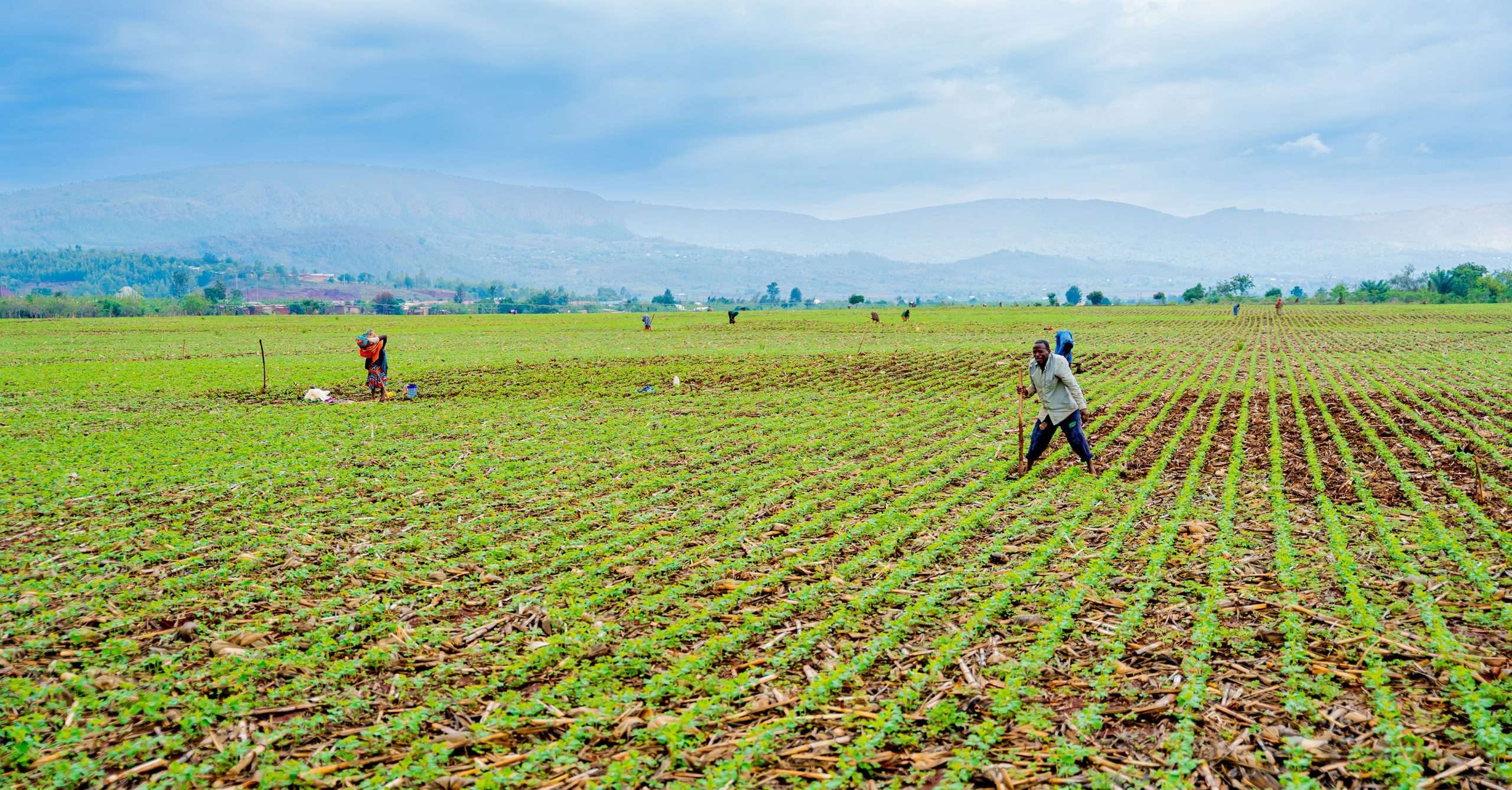
As an academic training, research, and extension institution, RICA works closely with farmers, extension officers, students, and partners to demonstrate that conservation agriculture is practical, affordable, and effective and more profitable under Rwandan conditions.
On our demonstration farms and through model farmer field schools, we have observed soil regain structure, water infiltration improve and yields stabilise even under erratic rainfall.
Farming for a changing climate
Conservation Agriculture directly confronts climate change. For instance, mulched soils retain vital moisture during dry periods. They also significantly reduce runoff during heavy rains. Furthermore, healthy soils, rich in organic matter, store more carbon. This actively helps mitigate climate change while simultaneously improving soil fertility. For farmers, these benefits are profound. They experience fewer losses and enjoy more reliable harvests. Over time, dependence on expensive external inputs also decreases.
Equally vital, Conservation Agriculture supports Rwanda’s vision for sustainable land use. With limited arable land, increasing productivity is essential. However, this must occur without degrading precious natural resources. CA empowers farmers to produce more from their existing land. Critically, it also preserves that land for future generations. This approach strongly aligns with PSTA 5’s objectives: building resilience, protecting the environment, and fostering inclusive agricultural growth.
Learning from farmers’ success stories
This article initiates a new series dedicated entirely to Conservation Agriculture. In coming weeks, we will explore CA principles and practices in detail. We will also share clear benefits for farmers and communities. Furthermore, we will highlight real stories from across Rwanda. These will feature farmers (all genders included) who have adopted CA and transformed their farms. These pioneering farmers are demonstrating a powerful truth. It is possible to protect soil, adapt to climate change, and simultaneously earn a better living.
Conservation Agriculture represents a transformative shift in farming behaviors. It offers simple yet highly effective approaches. Indeed, it is a crucial journey Rwanda has already embraced. The goal is to build a truly sustainable and climate-resilient food system.
Strong policy support from MINAGRI is in place. Coupled with RICA’s leadership and commitment from partners, stakeholders, and farmers nationwide, CA offers hope. Ultimately, Conservation Agriculture presents a realistic solution. It addresses the twin challenges of uncertain weather patterns and soil degradation. Our soils are undeniably our future. Conservation Agriculture provides the means to protect them.
Our soils are our future. Conservation agriculture helps us protect them.