When it comes to agriculture, it’s hard to overstate the importance of the soil.
Soil is one of the fundamental building blocks of agriculture, and the state of farmers’ soils can make or break a harvest. Degraded soils that lack structure and nutrients can lead to lower crop yields, while rich, healthy soils are a major contributor to ample harvests, stronger farm livelihoods, and better food security.
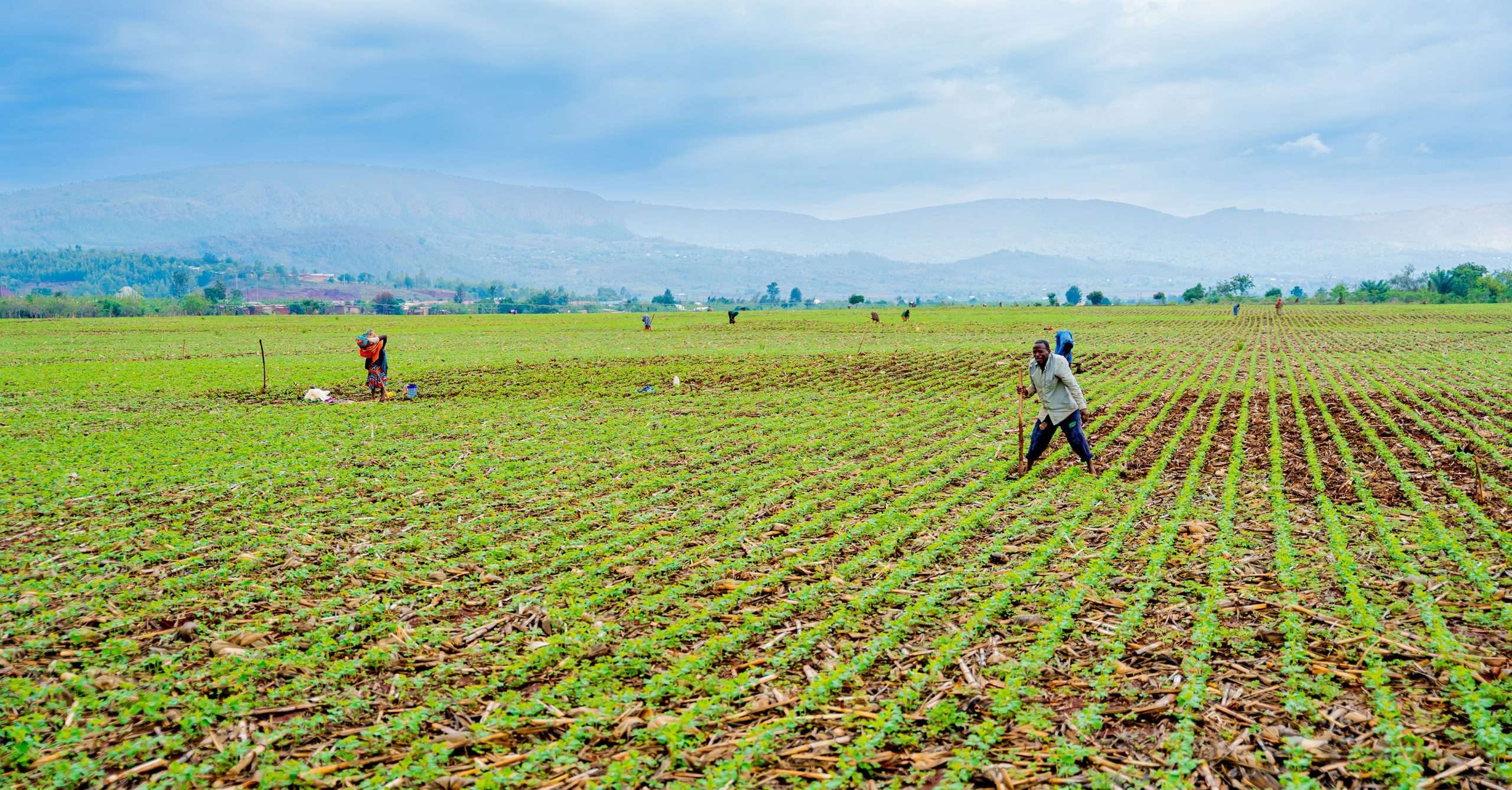
Rwanda faces numerous challenges when it comes to soil – high population density and multiple growing seasons per year mean that the country’s agricultural land is always in production, putting pressure on the soil’s resources and increasing the need to pay attention to soil health.
Rwanda’s hilly terrain also means that the soil is prone to erosion and nutrient run-off. Approximately 27 million tons of topsoil is lost every year in Rwanda due to erosion, costing the country’s economy as much as 810 billion Rwandan francs annually, according to government estimates.
Fortunately, the Government of Rwanda has placed a strong emphasis on protecting the country’s soil health, and there are a number of steps that farmers can take to improve the long-term fertility of their land. One of the best ways to protect and improve soil health is to practice conservation agriculture.
How Conservation Agriculture Benefits the Soil
Improving and preserving soil health are key goals of conservation agriculture. There are numerous conservation agriculture practices that farmers can deploy to benefit their land’s fertility, including:
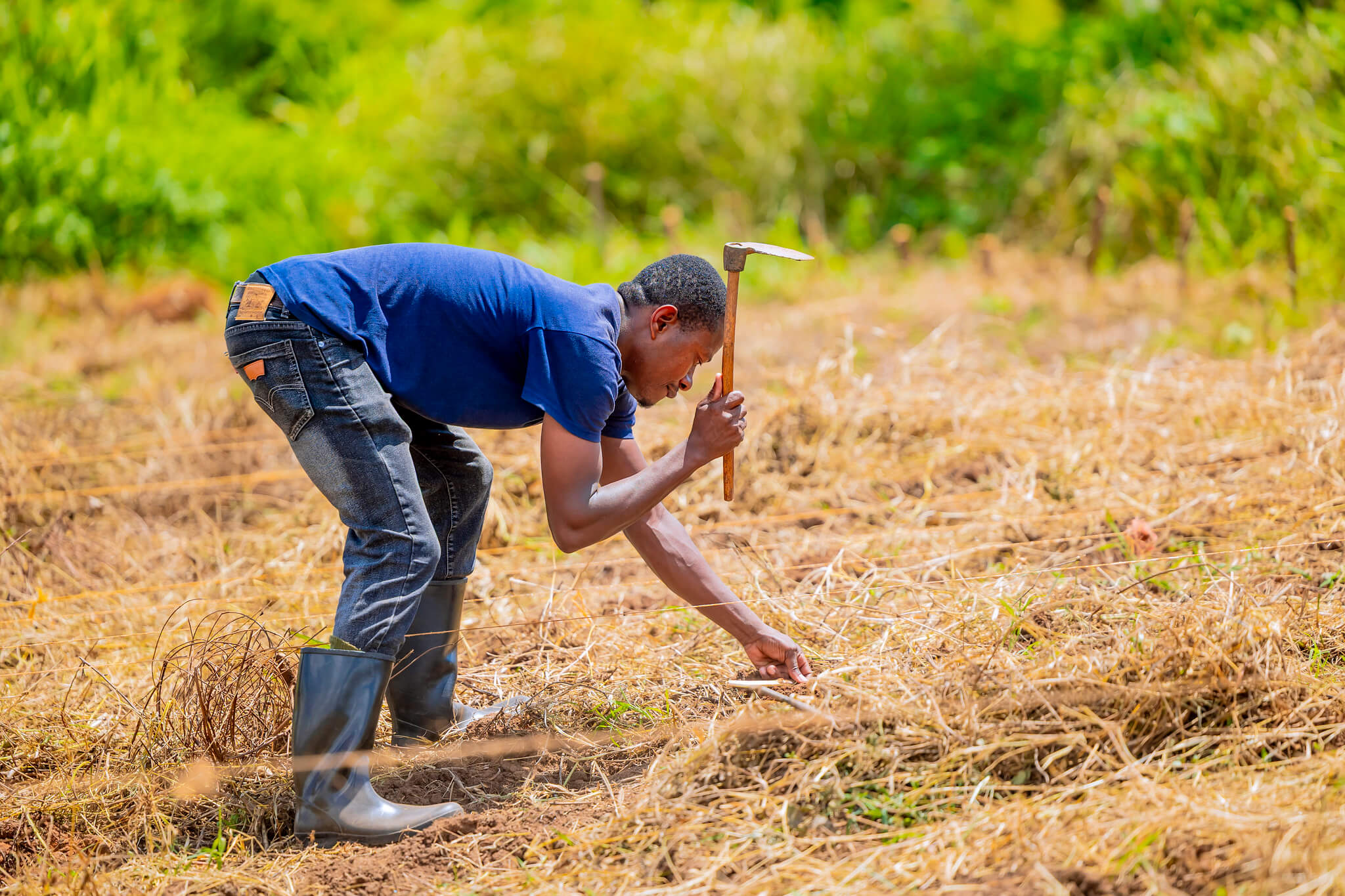
- Practicing no-till or minimum-till planting: When farmers till the land, it upsets the soil and exposes it to the elements. This creates a number of risks. Tilled soils may dry out more quickly, especially during times of heat and drought, and they are more prone to erosion and nutrient run-off. Plowing the land can also lead to a loss in organic matter, a key element of soil fertility.
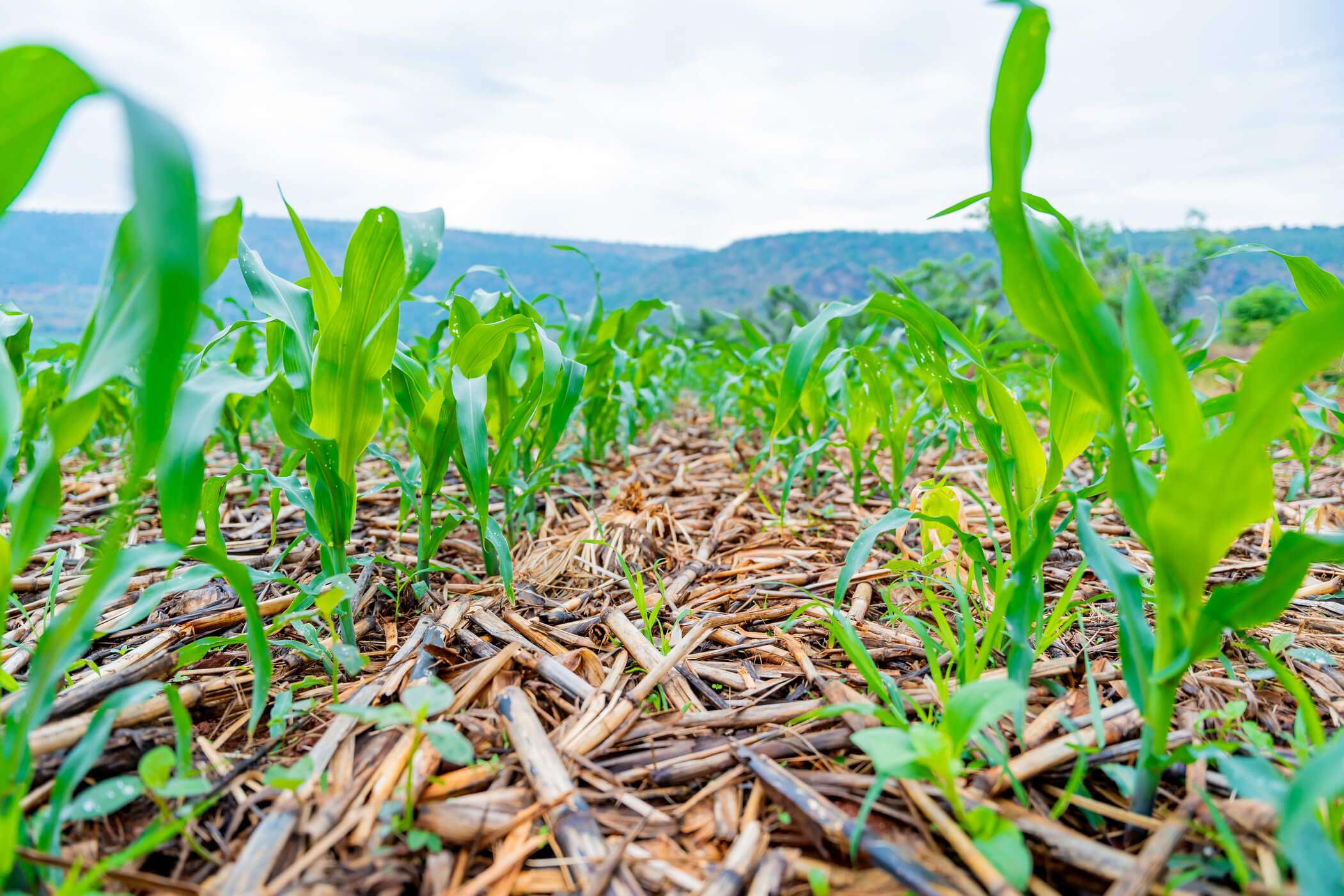
- Keeping fields covered throughout the year: Cover crops, mulch, or leftover crop residues can act as a blanket to protect the soil from exposure. Farmers should keep the soil covered at all times, even between seasons after the harvest is finished.
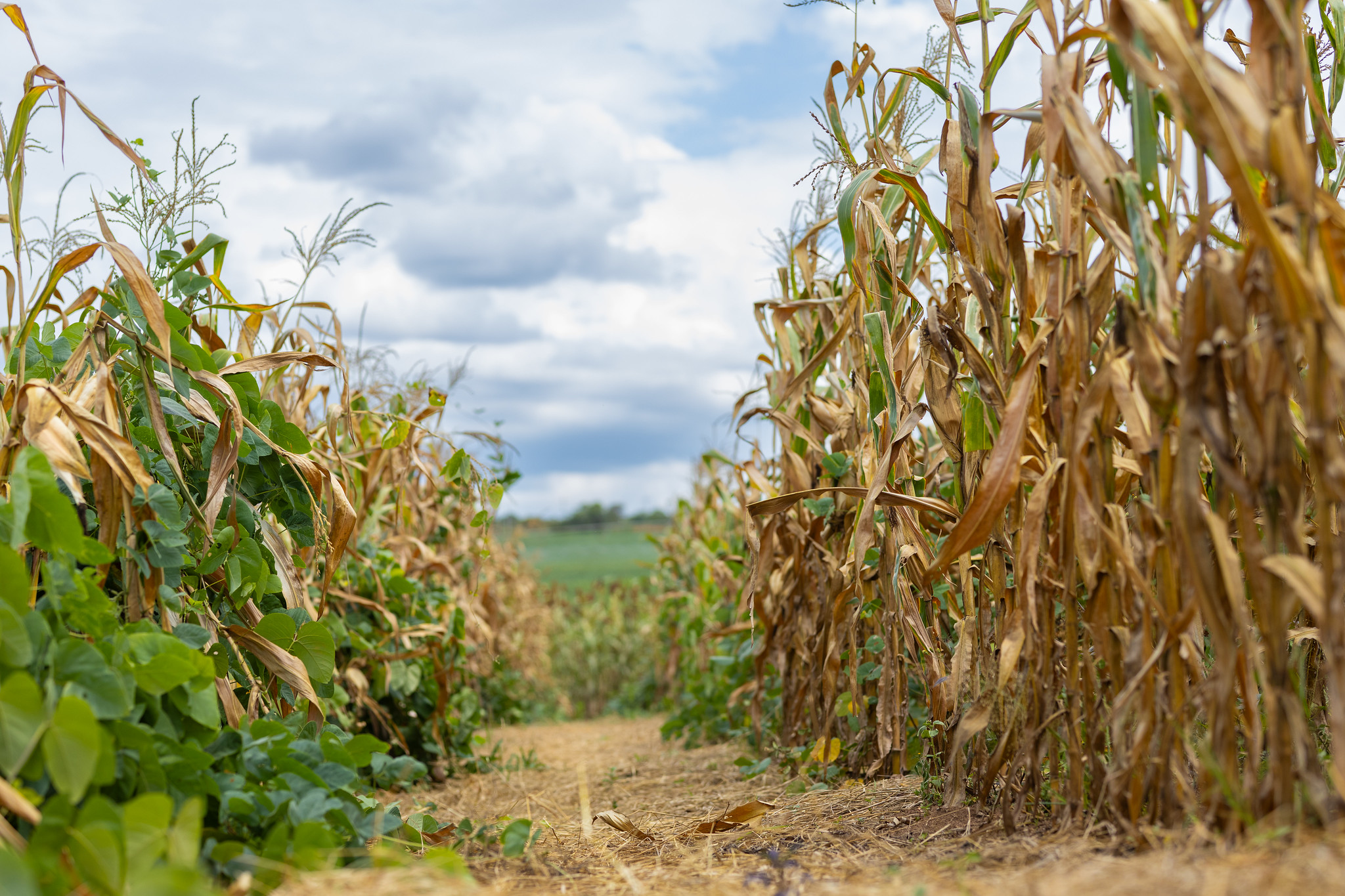
- Growing a diverse range of crops: Practicing crop rotation, or planting different crops in the same field in alternating seasons, has a host of benefits for the soil. For example, planting legume crops like beans or peas can fix nitrogen in the soil, which is beneficial for grain crops planted in the following season.